

1 February 2026 - Kaldi and the Accidental Beginning of Coffee
2/3/20263 min read
Kaldi and the Accidental Beginning of Coffee
Every great story has an origin rooted in curiosity, chance, and a moment that quietly changes the world. The story of coffee is no different. Long before coffee became a global ritual—before cafés, roasteries, and morning routines—it began with a single observer, a handful of goats, and an unexpected discovery.
That observer was Kaldi, widely regarded in legend as the first person to discover coffee.
A Goat Herder in the Ethiopian Highlands
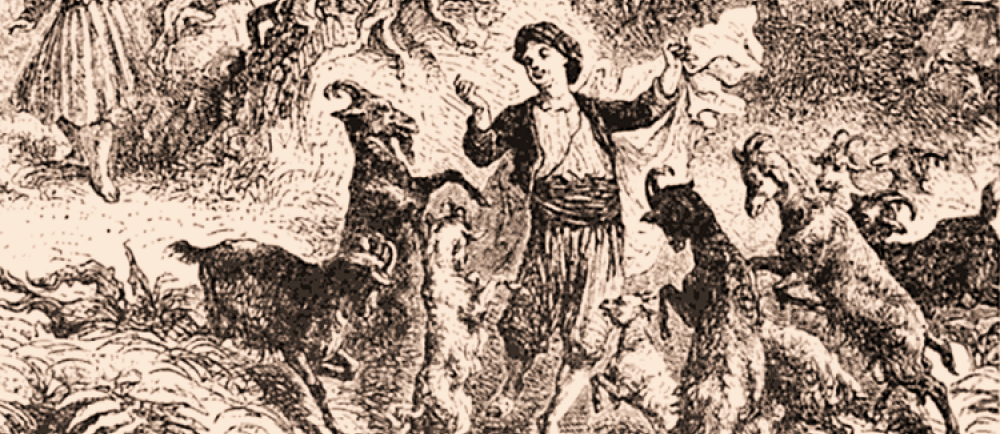
The story takes us back to the highlands of Ethiopia, sometime around the 9th century. Kaldi was a goat herder, spending his days watching over his animals as they grazed freely among the wild shrubs of the region. Life was simple, rhythmic, and closely tied to the land.
One day, Kaldi noticed something unusual. His goats, after eating bright red berries from a particular bush, became unusually energetic. They leapt, ran, and refused to settle—even late into the night. This behaviour was entirely out of character.
Rather than dismissing it, Kaldi paid attention. Curiosity led him to inspect the plant more closely. Eventually, he tasted the berries himself.
What followed, according to legend, was a sudden sense of alertness and vitality. Fatigue lifted. His focus sharpened. Something about this plant was different.
From Curiosity to Discovery
Kaldi’s discovery did not immediately turn into a beverage. At first, the berries were simply consumed in their natural form. Some accounts suggest they were crushed and mixed with animal fat, forming small energy-rich balls used to sustain long days of labour.
Recognising the potential importance of what he had found, Kaldi is said to have brought the berries to a local monastery. There, monks experimented with the plant, initially rejecting it—one version of the legend claims the beans were thrown into a fire, releasing a rich, intoxicating aroma as they roasted.
Intrigued by the scent, the monks retrieved the roasted beans, ground them, and mixed them with hot water. The result was a dark, bitter drink that helped them stay awake during long hours of prayer.
Whether this exact sequence occurred or not, what matters is the outcome: coffee began its transformation from wild plant to purposeful drink.
Why Kaldi Matters—Even If He Is a Legend
Historians cannot confirm Kaldi’s existence as a historical figure, but his story endures for a reason. It captures the essence of discovery—not through formal invention, but through observation and intuition.
Kaldi did not set out to change the world. He noticed something strange, asked questions, and followed his curiosity. In doing so, he represents countless unnamed individuals whose everyday awareness shaped human progress.
In coffee culture, Kaldi symbolises the beginning of attentiveness to origin—something still central to how we understand and respect coffee today.
From One Person to the World
What began with a single herder and his goats eventually travelled far beyond Ethiopia. Over centuries, coffee moved into Arabia, across Europe, and eventually into the global beverage we know today. But every innovation—every espresso, every pour-over, every carefully roasted bean—traces its lineage back to that first moment of noticing.
At Beans About Coffee, we find something deeply grounding in this origin story. It reminds us that coffee is not just a product of machines or trends, but of people, land, and time.
A Legacy in Every Cup
When you drink coffee today, you are part of a story that began with Kaldi’s quiet curiosity. A story shaped by hands that harvested, roasted, brewed, and shared—generation after generation.
Whether Kaldi truly existed or not, his legacy lives on in every cup. Because coffee was never invented in a laboratory or boardroom. It was discovered in nature, recognised by instinct, and refined by human care.
And that is what makes coffee timeless.
At Beans About Coffee, we honour that legacy—starting where it all began, and carrying it forward, one carefully crafted cup at a time.